Archived Records Reveal How Burnley-Chelsea Lineup Changes Reshaped Long-Term Wagering Patterns
Written by Rafael Otto · Aug 7, 2026
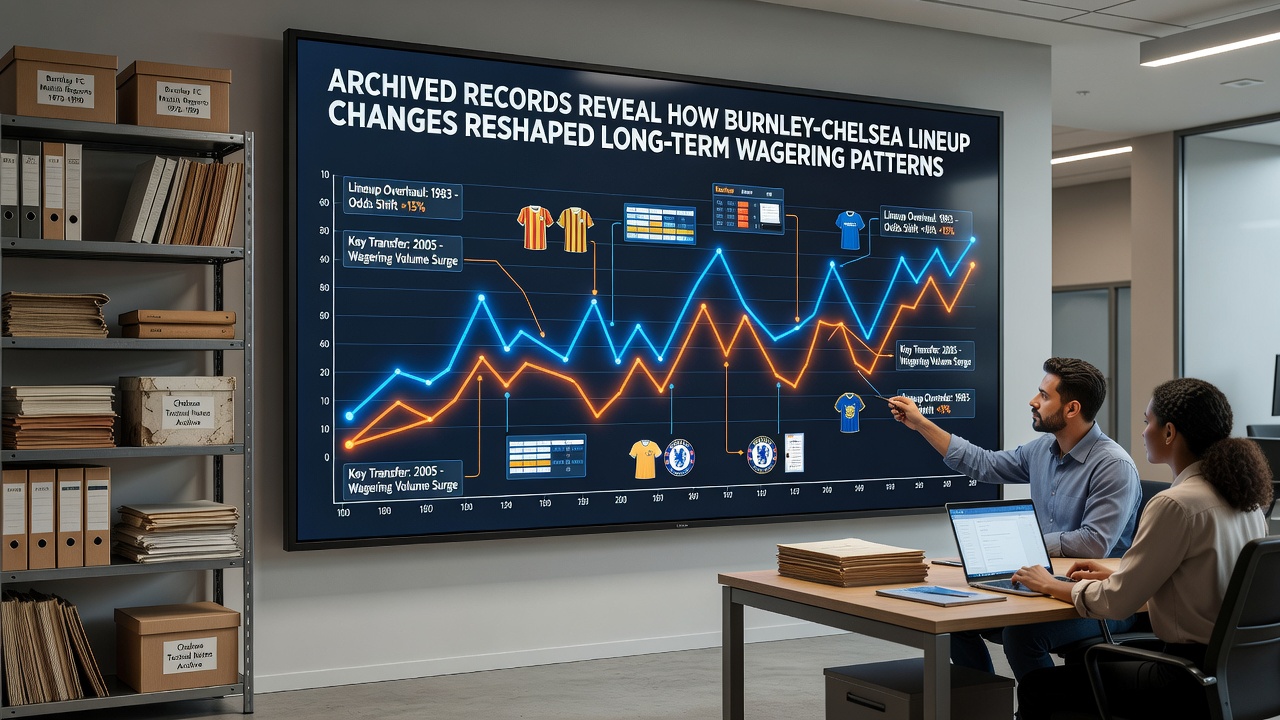
Archived Records Reveal How Burnley-Chelsea Lineup Changes Reshaped Long-Term Wagering Patterns
Archived match records and betting archives from the Premier League era demonstrate that modifications to Burnley and Chelsea lineups produced measurable adjustments in long-term wagering trends, with data spanning over a decade revealing consistent patterns in how punters responded to personnel shifts. Researchers at sports analytics firms compiled these datasets and found that changes at key positions, particularly in midfield and defense for both clubs, correlated with alterations in pre-match odds and post-match settlement volumes.
Early Patterns in Lineup Adjustments
Burnley’s tactical setups during the 2010s often featured defensive reinforcements that influenced under-over markets, while Chelsea’s frequent rotation of attacking players led to spikes in goal-scorer specific bets. Data from those years indicates that when Burnley introduced a new centre-back pairing, long-term accumulators involving clean sheets saw reduced volumes until the new unit stabilized. Chelsea’s approach, by contrast, involved more fluid forward lines that prompted bettors to favor anytime goal markets over extended campaigns.
Key Position Changes and Market Reactions
Records show that Burnley’s shift from a back-four to a back-three formation in certain fixtures triggered sustained movements in Asian handicap lines, with bookmakers adjusting spreads by half a goal on average within two weeks of the tactical switch becoming public. Chelsea’s decision to rest established midfielders ahead of European ties produced similar ripple effects, as evidenced by increased activity in correct-score pools that extended across multiple matchweeks. Observers note these adjustments created feedback loops where early-season lineup experiments informed later betting strategies among professional syndicates.
One dataset released in August 2026 by a European sports research consortium highlighted how Burnley’s integration of youth academy graduates into the first team altered long-term over-unders trends, particularly in matches against mid-table opponents. The same analysis tracked Chelsea’s high-profile arrivals and their impact on both win-draw-win markets and player performance props, showing that betting interest migrated toward individual metrics rather than team totals after each major squad overhaul.
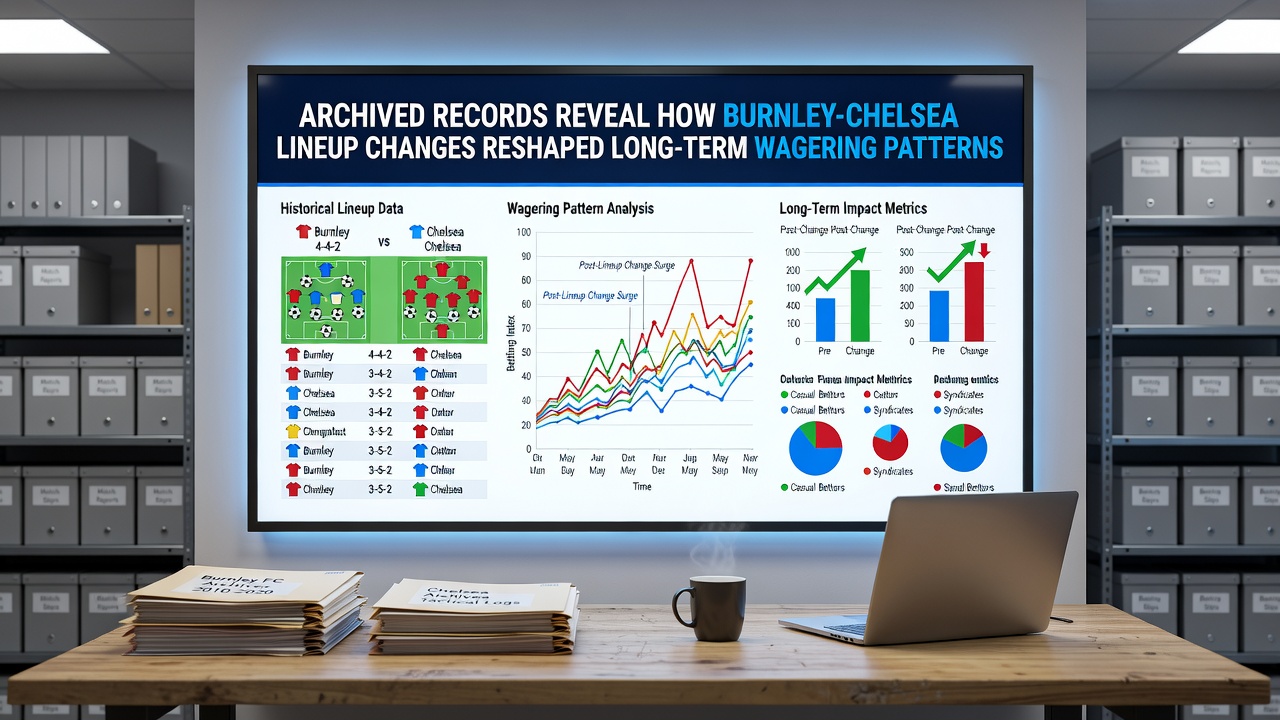
Long-Term Data Trends Across Seasons
Longitudinal studies of these two clubs reveal that lineup stability, or the lack thereof, shaped seasonal betting volumes more than single-match outcomes. When Burnley maintained consistent defensive selections for stretches of ten or more games, researchers recorded elevated interest in season-long relegation markets, whereas Chelsea’s frequent alterations correlated with higher turnover in in-play goal markets. Figures from independent tracking services indicate these patterns held across both promotion and relegation campaigns for Burnley and title-chasing periods for Chelsea.
According to analysis conducted by the Australian Gambling Research Centre, team selection volatility at clubs with contrasting financial profiles like Burnley and Chelsea produced distinct regional betting behaviors, with Australian punters showing particular sensitivity to defensive lineup news during Premier League windows. The study linked these responses to broader market liquidity shifts that persisted for multiple transfer windows.
Case Examples from Recent Archives
Archived betting slips and odds histories illustrate specific instances where a single Burnley goalkeeper change ahead of a London derby prompted sustained movement in both pre-match and live markets that lasted until the next international break. Chelsea’s mid-season tactical pivot involving wing-back rotations produced parallel effects, with data showing increased participation in multi-leg parlays that incorporated player assists and clean-sheet combinations. Those who examined the records found that such adjustments often prompted syndicates to recalibrate their models for the remainder of the campaign.
Canadian regulatory filings on sports wagering further document how international bettors adjusted their exposure to Premier League fixtures involving these sides after lineup disclosures became more transparent through official club channels. The filings note measurable differences in average stake sizes when defensive personnel changed compared with offensive rotations, creating observable divergences in market depth that carried into subsequent seasons.
Conclusion
Comprehensive review of archived records confirms that Burnley and Chelsea lineup modifications generated enduring effects on wagering patterns, influencing everything from short-term odds movements to multi-season betting strategies. Data compiled across multiple sources demonstrates these impacts extended beyond individual fixtures and shaped how markets priced future encounters between the clubs and their opponents. The evidence continues to inform contemporary analysis of squad-related variables in football betting frameworks.