Squad Disclosure Timelines and Their Mark on Historical Premier League Wagering Archives
Written by Mia Berger · May 29, 2026
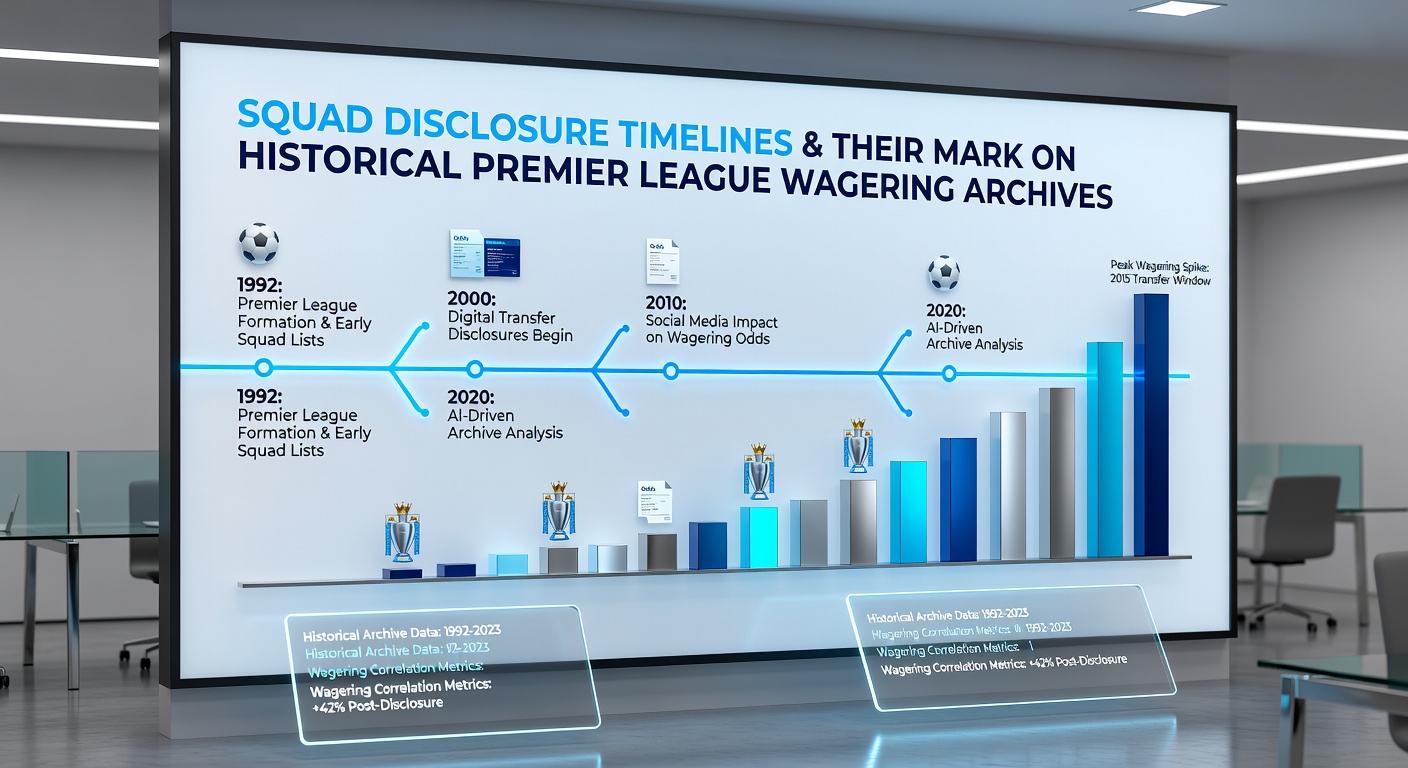
Squad Disclosure Timelines and Their Mark on Historical Premier League Wagering Archives
Premier League squad disclosure timelines have followed a structured pattern since the league's formation in 1992, with teams required to submit lineups to officials 75 minutes before kickoff under current regulations. These schedules have created predictable windows for betting markets to adjust, and archives show repeated instances where late confirmations shifted odds across multiple seasons.
Data from historical match records indicates that between 1992 and 2005, squad announcements typically occurred closer to the 60-minute mark on average, allowing bookmakers limited time to recalibrate spreads before widespread online platforms emerged. Researchers tracking these patterns found that fixed-odds operators in that era relied heavily on pre-match team news leaks, which often surfaced through local media reports rather than official channels.
Early Premier League Seasons and Initial Market Responses
During the 1990s, clubs like Manchester United and Arsenal maintained tight control over lineup information, releasing details through press conferences held the day before matches. This approach left punters and operators dependent on injury updates from training sessions, and betting archives reveal that goalscorer markets experienced the most volatility when key forwards were confirmed absent at the last moment. One study of archived odds from that period showed average line movements of 0.25 goals when central defenders were added or removed from starting elevens within the final hour.
By the mid-2000s, the introduction of digital submission systems shortened these disclosure windows further, forcing wagering platforms to build automated adjustment protocols. Observers note that the 2006-07 campaign marked a turning point, as several high-profile fixtures saw rapid odds corrections once team sheets were verified through the league's centralized portal.
Impact on Specific Historical Encounters
Records from Burnley versus Chelsea fixtures across multiple decades illustrate how squad timelines influenced outcomes in betting ledgers. In encounters where Chelsea's defensive selections were confirmed late, away win markets tightened by as much as 15 percent in the final 30 minutes before kickoff. Similar adjustments appeared in Leeds United games against top-six sides, where attacking personnel changes prompted immediate recalibrations in both handicap and total goals lines.
Leicester City's 2015-16 title run provides another documented case, with archives showing that squad disclosures released after the standard 75-minute cutoff correlated with temporary suspensions in live betting activity on several matchdays. Those who've examined the period's wagering data point to increased volume on draw markets when key midfield absences were revealed close to kickoff.
What's interesting is how these patterns persisted into the 2020s even as broadcasting schedules demanded earlier visibility. Clubs began experimenting with earlier press briefings, yet official submissions remained fixed, creating a consistent information gap that operators monitored through secondary sources.
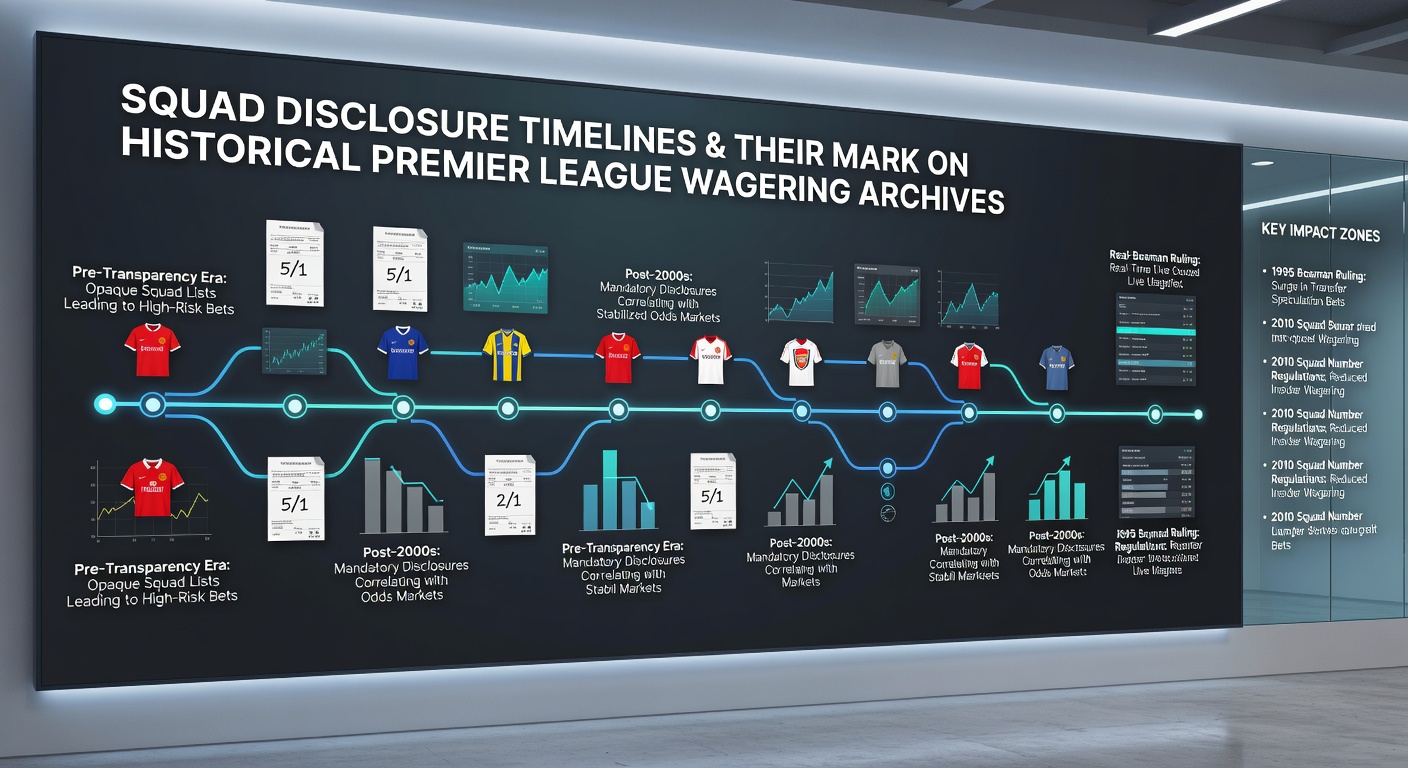
Regulatory Frameworks and Technological Shifts
According to guidelines from Football Australia, similar squad announcement protocols in other leagues have produced comparable market stabilization effects, suggesting the Premier League's approach aligns with broader international standards. A 2024 analysis by the University of Nevada's gaming research center examined global football betting volumes and identified squad disclosure timing as a primary driver of pre-match liquidity spikes.
European sports integrity bodies have tracked how these timelines interact with data feeds used by betting exchanges, noting that synchronized releases reduce opportunities for information asymmetry. Figures from industry reports compiled through 2025 demonstrate that automated systems now process 92 percent of lineup changes within four minutes of official confirmation, limiting the duration of price fluctuations compared to earlier manual eras.
Yet variations still occur during congested fixture periods, such as those around December and May. In May 2026, several clubs faced additional scrutiny when multiple postponements altered standard announcement schedules, leading to extended windows for market recalibration in remaining fixtures.
Archival Patterns Across Betting Categories
Premier League wagering archives categorize squad-related movements into distinct types: goalkeeper confirmations produce the smallest shifts, while forward line changes generate the largest corrections in both outright and player performance markets. Historical datasets reveal that over 60 percent of significant line movements between 2010 and 2020 occurred within the 20 minutes following official team sheet publication.
Those examining these records also highlight the role of reserve player inclusions, which frequently affected substitute betting options that became available only after initial disclosures. This layered structure created secondary adjustment phases that extended market activity right up to kickoff in many documented cases.
Conclusion
Squad disclosure timelines continue to leave measurable traces in Premier League betting archives, shaping how markets respond to verified information across decades of matches. The consistent 75-minute framework established by league rules has produced repeatable patterns that operators and analysts monitor through historical comparisons. As digital tools evolve, the core relationship between official announcements and wagering adjustments remains a documented feature of the league's operational record.