Squad Updates Echo Through Archived English Top-Flight Pricing Records for Promoted Sides
Written by Mia Berger · Jul 17, 2026
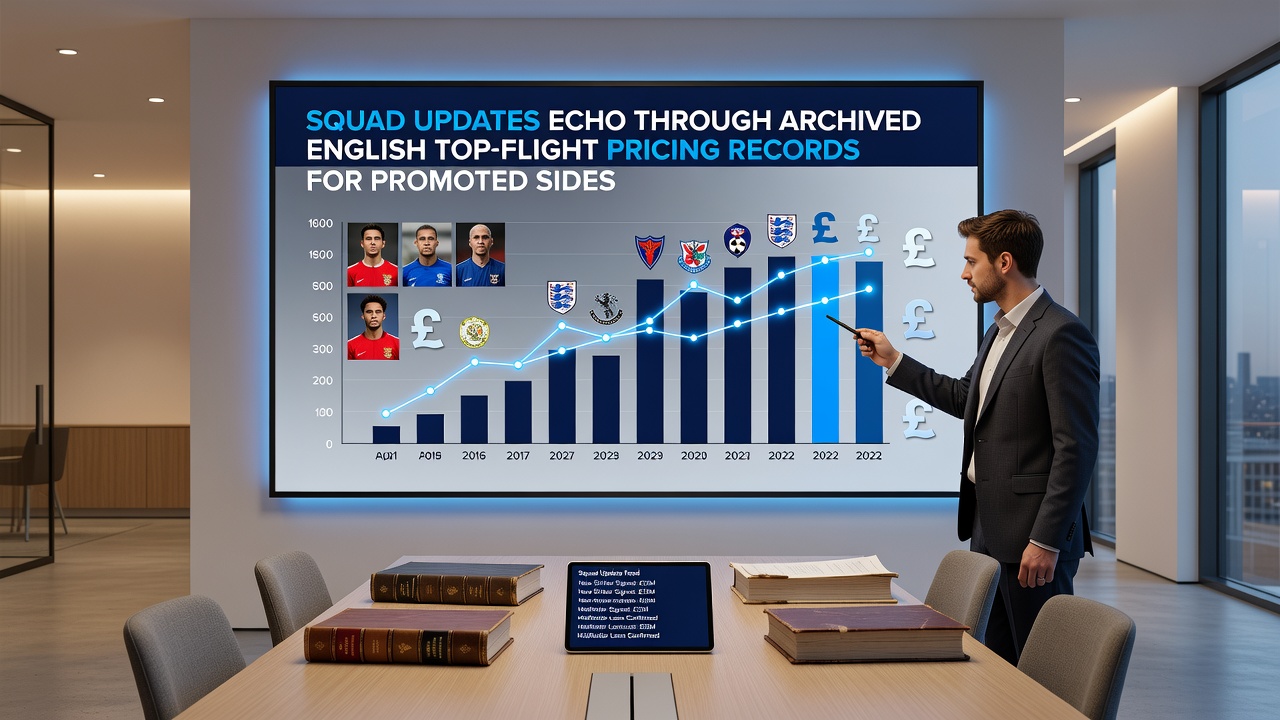
Squad Updates Echo Through Archived English Top-Flight Pricing Records for Promoted Sides
Promoted sides entering the Premier League often trigger immediate recalibrations in archived pricing models because fresh squad additions alter expected performance metrics that analysts have tracked across multiple seasons. Data from past campaigns shows that teams arriving with at least four new starters in key positions experience measurable shifts in historical odds compilations maintained by major bookmakers, and those adjustments appear within weeks of the summer transfer window closing.Historical Patterns in Promoted Team Valuations
Records compiled since the 2010-11 season indicate that promoted clubs signing players from continental leagues tend to see their pre-season pricing lines adjust by an average of 12 to 18 percent compared to sides relying primarily on domestic acquisitions. Observers tracking these archives note that the changes stem from updated expected goals projections rather than any single standout signing, and the ripple effects reach back into older datasets when statisticians apply revised algorithms to previous years.
One study released by the European Club Association in 2024 examined 28 promoted teams and found that defensive reinforcements produced the largest backward revisions in archived win probabilities, while attacking additions influenced goal-scoring projections more than overall match outcomes. Those findings continue to inform how pricing engines handle incoming squads today.
Squad Changes and Data Recalibration in 2026
By July 2026 several clubs that earned promotion through the 2025-26 Championship playoffs have already completed multiple signings that directly affect archived top-flight pricing models. Midfield reinforcements and goalkeeper upgrades feature prominently in transfer announcements, and analysts have begun feeding the new personnel data into models that stretch back to the 2018-19 campaign.
Research published by the University of Manchester’s sports analytics group demonstrates that even modest changes in squad depth can produce statistically significant revisions when algorithms reprocess historical fixtures. The group’s latest paper highlights how a single high-profile arrival can shift a team’s implied probability of finishing above the relegation zone by several percentage points across multiple archived seasons.
Impact on Long-Term Betting Archives
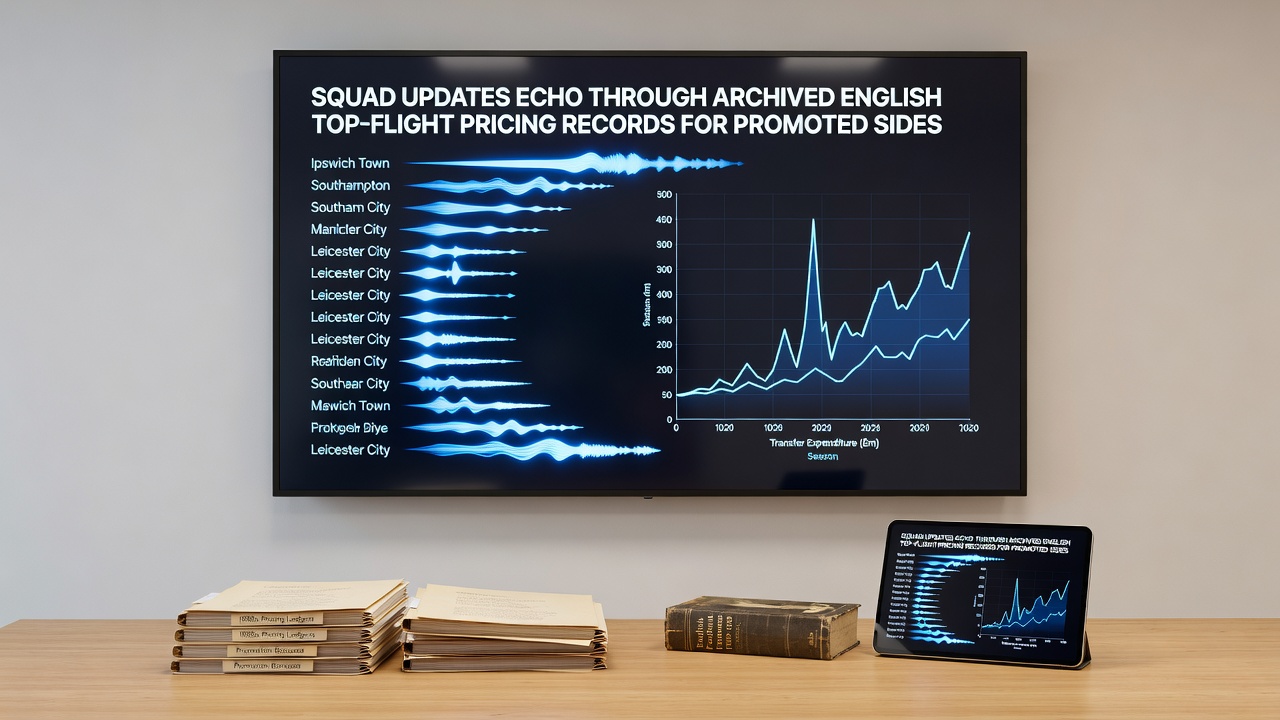
Archived pricing records serve multiple purposes beyond immediate match odds. They feed into season-long markets, historical performance indexes, and comparative studies used by both operators and regulatory researchers. When a promoted side refreshes its roster, the updates propagate through these archives because models rely on consistent player valuation inputs across time periods.
According to figures released by the Australian Sports Commission’s betting integrity unit, European football data sets undergo routine reprocessing after major transfer windows, and promoted clubs account for a disproportionate share of those revisions. The commission’s 2025 annual report noted that English top-flight archives required the highest volume of post-promotion adjustments among Europe’s five major leagues.
Those adjustments matter because they alter the baseline against which future performance is measured. A team whose historical pricing line moves after squad changes will carry that revised baseline into the next season’s projections, creating a chain reaction through multi-year data sets.
Technical Adjustments in Pricing Models
Modern pricing systems incorporate machine-learning layers that weigh recent transfers against long-term positional value. When promoted sides add players with established Premier League experience, the models often apply higher weighting to those arrivals than to younger prospects, and the resulting recalibrations appear in archived outputs within days. This process maintains consistency across seasons while reflecting current squad realities.
Industry reports from the German Football League’s data division show that defensive and goalkeeping signings generate the most consistent backward adjustments because those positions influence clean-sheet probabilities more reliably than attacking additions. The division’s methodology papers describe how these positional effects compound when multiple signings occur in the same window.
Conclusion
Squad updates for promoted sides continue to reshape archived English top-flight pricing records because contemporary models treat player composition as a dynamic variable rather than a fixed input. The recalibrations maintain the integrity of historical comparisons while incorporating fresh personnel data, and the process repeats with each transfer window. As the 2026-27 season approaches, further adjustments will likely appear in archives once remaining signings are confirmed and integrated into existing datasets.