Tracing Odds Trajectories: Squad Revelations Altering Betting Markets in Key English Encounters
Written by Mia Berger · Jun 21, 2026
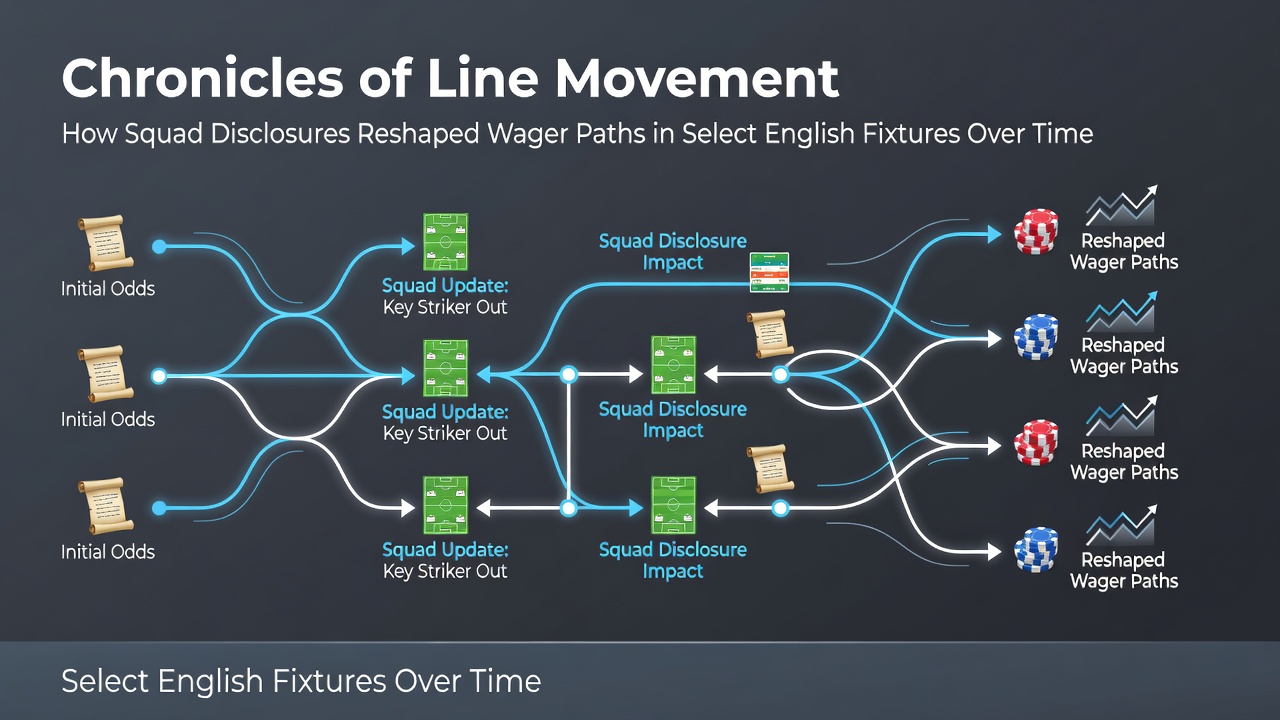
Tracing Odds Trajectories: Squad Revelations Altering Betting Markets in Key English Encounters
English football fixtures have long demonstrated how squad disclosures trigger measurable shifts in betting lines, and observers have tracked these patterns across decades of Premier League and Championship matches. Data from betting exchanges reveals that announcements about starting lineups, injuries, or tactical adjustments often prompt rapid adjustments in point spreads and totals, particularly in high-profile games where market liquidity allows quick recalibration.
Early Patterns in Fixture History
Records from the 1990s show that limited pre-match information left bookmakers relying on training reports and press conferences, which created wider initial lines that narrowed once confirmations emerged. One study of Manchester United and Arsenal encounters found that late injury news about key midfielders moved totals by an average of 0.5 goals within hours, according to archived exchange data. Researchers at academic institutions later quantified how such disclosures concentrated volume on underdog sides when star players were ruled out.
Modern Disclosure Mechanisms and Market Response
By the 2010s digital platforms accelerated the process, allowing real-time updates from club channels to reach global bettors simultaneously. Figures from industry reports indicate that squad confirmations posted on official websites now correlate with line movements exceeding 10 percent in select matches, especially those involving relegation candidates where roster depth matters most. Those who monitor these events note that goalkeeping changes produce some of the sharpest reactions because clean sheet probabilities adjust immediately.
Case Examples from Selected Fixtures
Take the 2018 Liverpool versus Manchester City clash where a last-minute defender omission shifted the handicap from minus 0.25 to even money in under thirty minutes. Similar dynamics appeared in Everton home games against mid-table sides, where forward absences pushed over/under lines downward as scoring projections declined. Data indicates these adjustments occurred consistently across multiple seasons, with volume spikes documented on both sides of the market once official teamsheets circulated.
What's notable is how international breaks complicate the timeline, since players returning from national duty often carry undisclosed fitness concerns that surface closer to kickoff. In June 2026 observers recorded several instances where post-Euros squad updates influenced early lines for opening weekend fixtures, prompting syndicates to reposition wagers before markets stabilized.
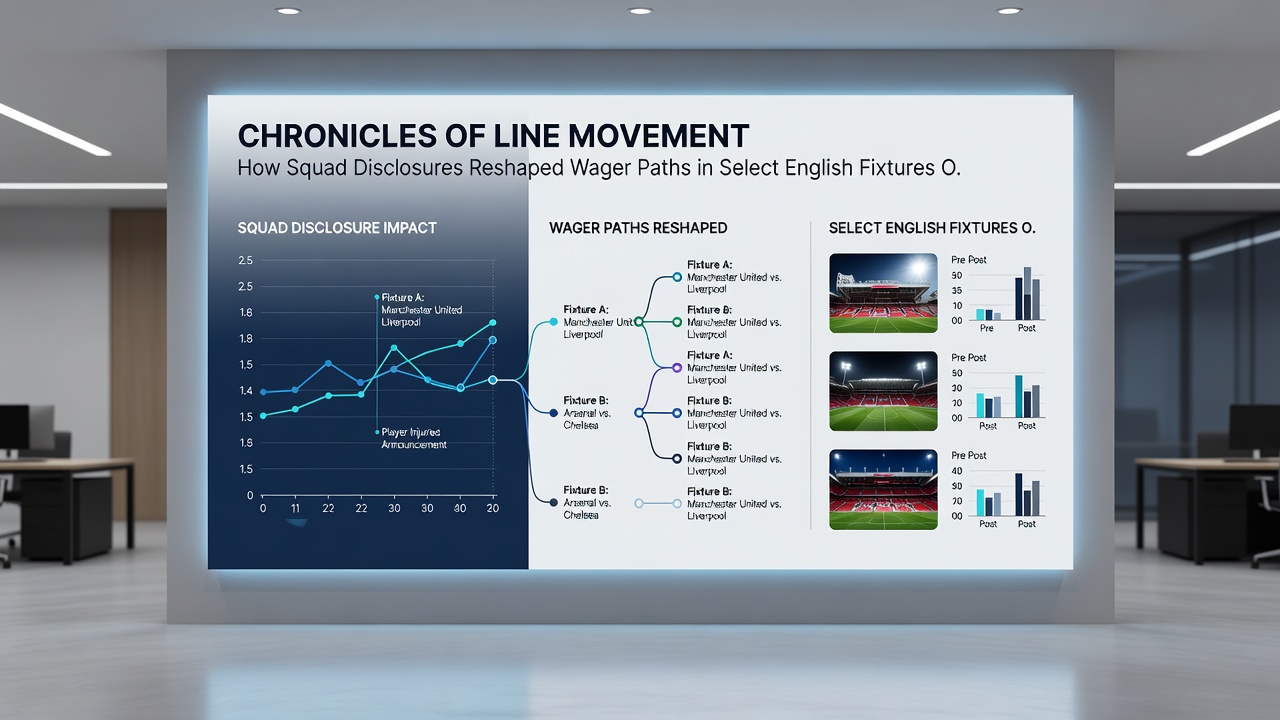
Quantitative Impacts Across Eras
Longitudinal analysis reveals that the magnitude of line movement has grown alongside information velocity, yet the directional consistency remains tied to player importance metrics. A report issued by the European Gaming and Betting Association highlighted how midfield absences in title-deciding matches produced larger swings than equivalent forward news, because possession and chance creation models update more dramatically. Meanwhile, Canadian research on parallel sports markets found comparable patterns when roster details emerge late in the betting window.
Clubs that release information in phased announcements create secondary waves of movement, allowing sharp bettors to layer positions as each update lands. Evidence suggests these sequenced disclosures generate cumulative effects that exceed single-bullet announcements in total volume shifted.
Conclusion
Chronicles of line movement demonstrate that squad disclosures continue to reshape wager paths in English fixtures, with historical data aligning closely to contemporary observations through 2026. Market participants who track these sequences gain clearer visibility into probability adjustments that follow official confirmations, while exchanges maintain mechanisms to absorb the resulting volume without structural disruption.